
 IMDB’s China Connection
  Trump administration gave firm with ties to ballroom donor the green light to do business with a sanctioned Russian bank
  Claire Sylvia on the Constitutionality of the False Claims Act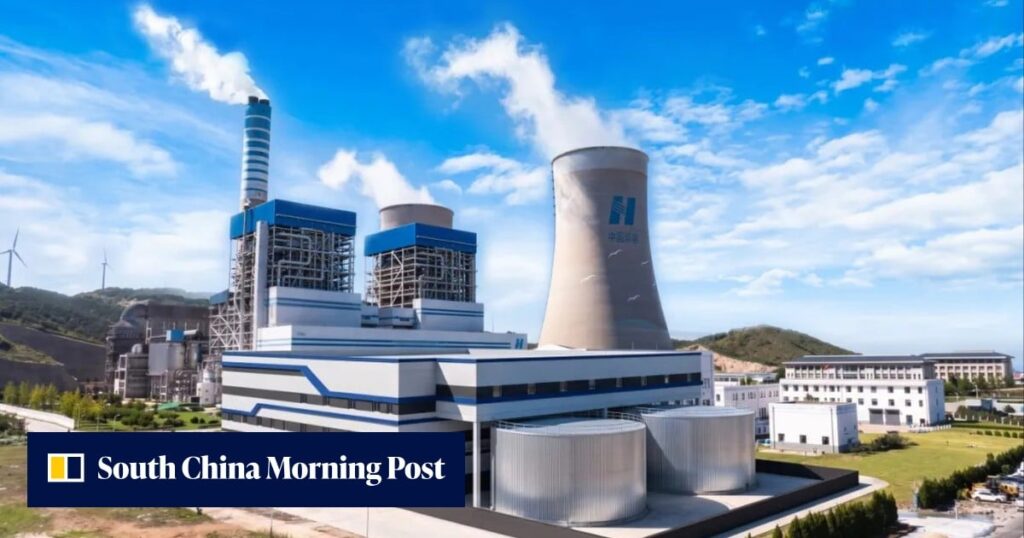
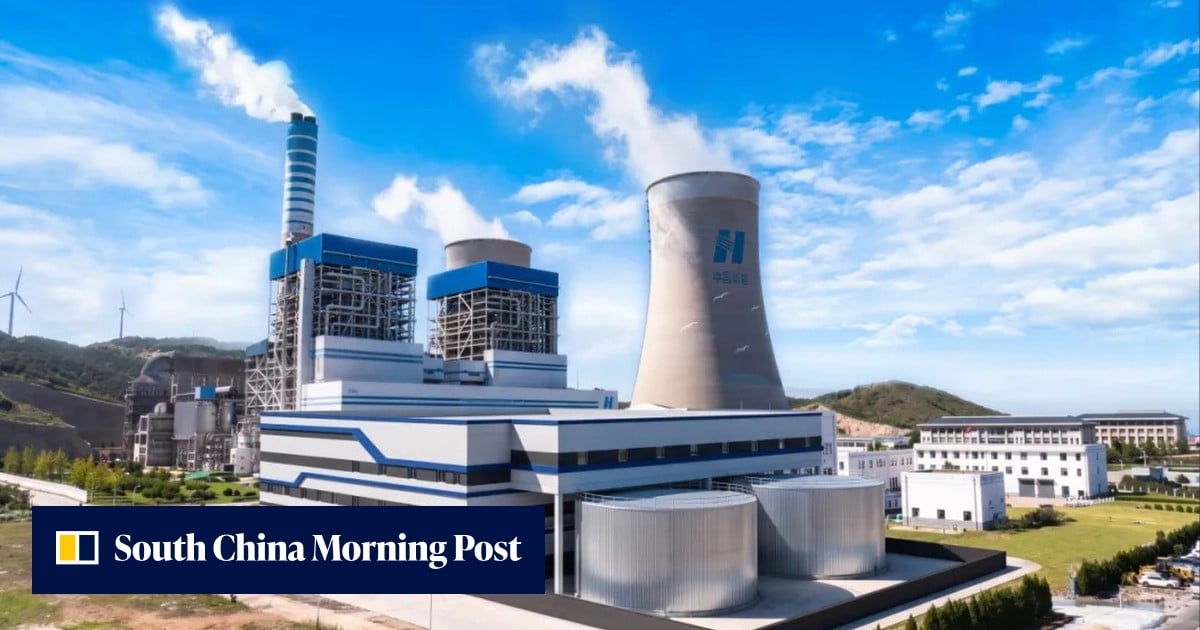
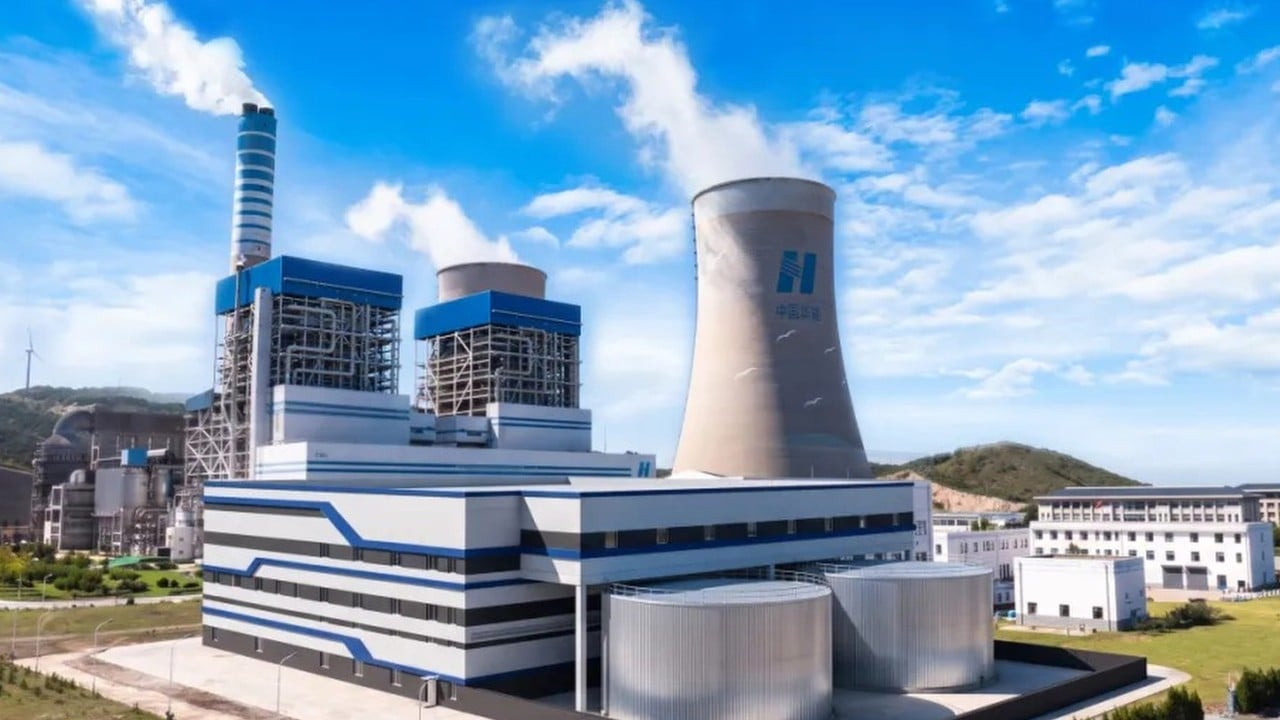
China has broken ground on the world’s first utility-scale combined supercritical carbon dioxide power generation and molten salt energy storage project, which could help reduce energy waste and improve grid stability.
Construction began on the Ruitan demonstration project at China Huaneng’s Bajiao power station in Yantai last week. The project in Shandong province, eastern China, is expected to go into operation next year.
During periods when energy demand is low, surplus electricity generated by the plant’s existing coal power units will be used to heat up molten salt, according to a report by state news agency Xinhua on September 16.
During hours of peak energy demand, the stored heat will power a supercritical unit that uses carbon dioxide rather than steam to produce electricity.
The first phase of the project will feature a 50-megawatt supercritical unit and a 100MW, or 400 megawatt-hour, molten salt energy storage system.
Don't Miss:
-
Japan begins clean-up after Typhoon Dujuan kills 4, batters east
-
Indefinite time in psychiatric ward for Hong Kong man who fatally stabbed 2 in mall
-
Who needs a degree? South Korea’s chip boom rewires university-obsessed culture
-
Cambodia hosts anti-scam summit as scepticism lingers
-
‘Do teachers not have families?’: kindergartens’ Mid-Autumn events draw backlash