
 Rick Claypool on Pay to Play Corporate Crime Enforcement
  Labaton Launches Whistleblower Practice with Former SEC Acting Chair Allison Herren Lee
  Kremlin payment firm A7 has been pumping billions in ‘untraceable’ cash into global financial system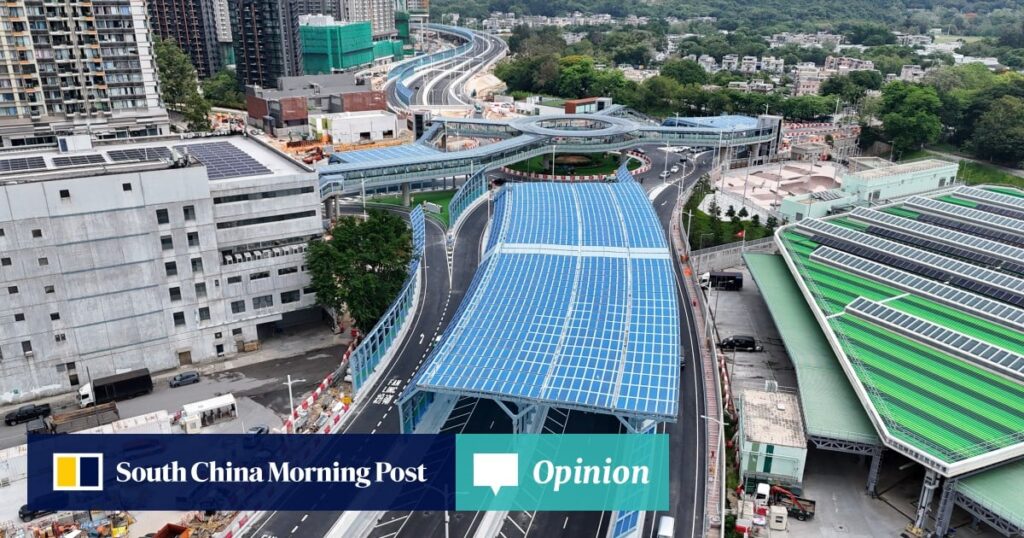
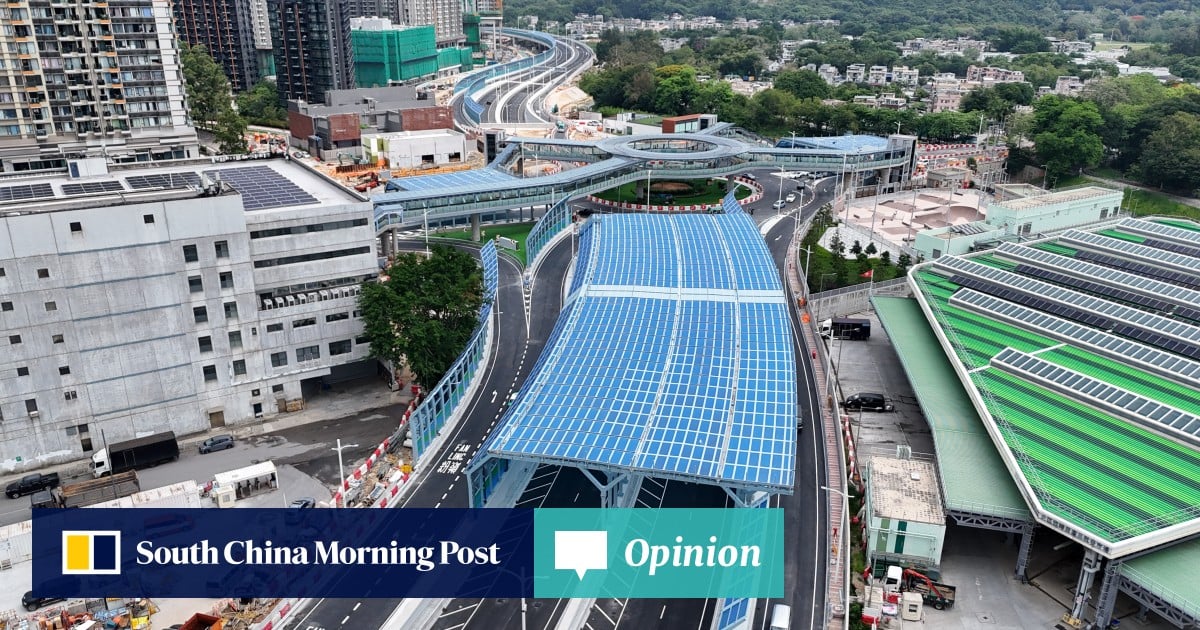
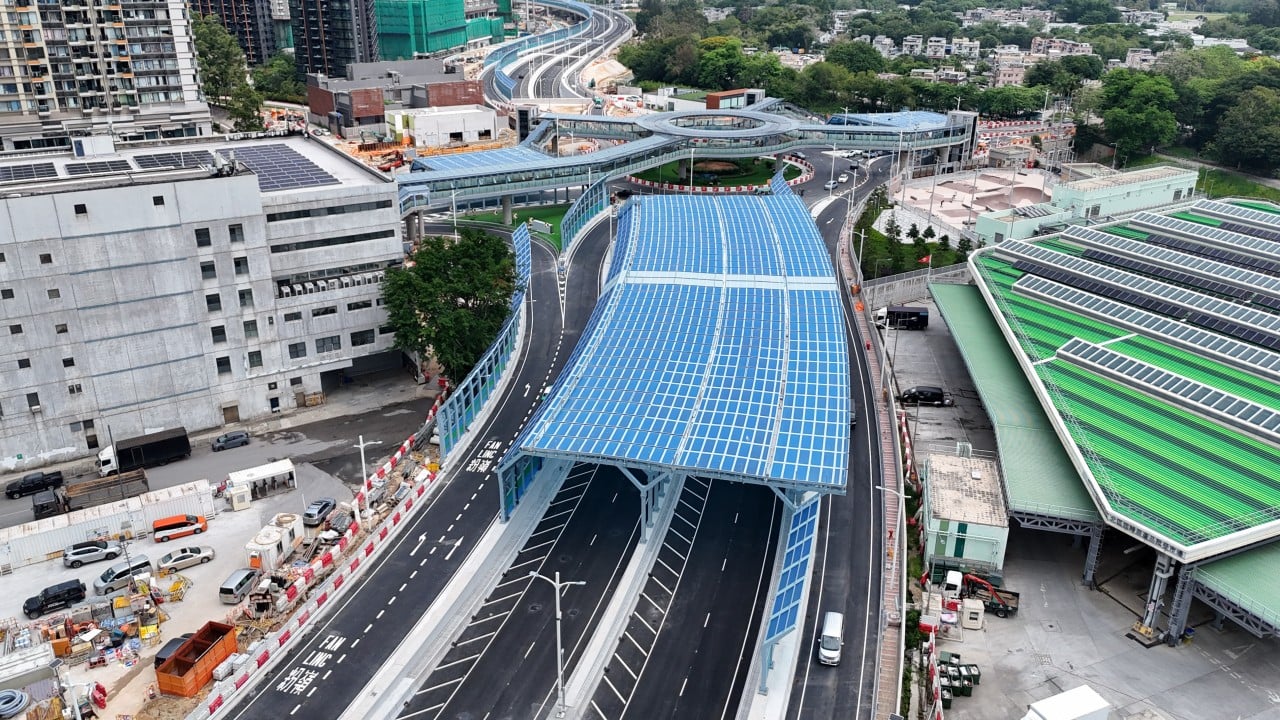
Sometimes, transformations happen on a micro scale and in niche neighbourhoods, but they are not insignificant. Collectively, these incremental improvements bring overall positive impact and growth.
Advertisement
Similar urban expansions have taken place around the world, including how the farmlands east of the Huangpu River were transformed to become Shanghai’s Pudong financial district; or how the fishing villages of Yokohama modernised to become the second largest city in Japan and a major economic hub of the Greater Tokyo Area; or how Brooklyn transcended from its industrial identity and emerged as a hip, artistic and culturally diverse borough that enhanced New York City.
Advertisement
Nowadays, urbanism goes beyond providing basic human settlements, transport networks and amenities. Cities must reinvent themselves amid rapid population growth, technological advancement, lifestyle changes and the demand for better services.
Don't Miss:
-
A Total of 13 Mass Graves Have Been Found in Viesca Containing the Charred Remains of Men and Women
-
Jorge Luis Zambrano, alias “Rasquiña”
-
El Taliban Fell In Mazatlán… And What He Confessed Ties Everything Together
-
Inside the Camp at the Heart of Honduras’ Garífuna Land Struggle
-
This Is How the MataZetas Captured and Executed the Zetas