
 Rick Claypool on Pay to Play Corporate Crime Enforcement
  Labaton Launches Whistleblower Practice with Former SEC Acting Chair Allison Herren Lee
  Kremlin payment firm A7 has been pumping billions in ‘untraceable’ cash into global financial system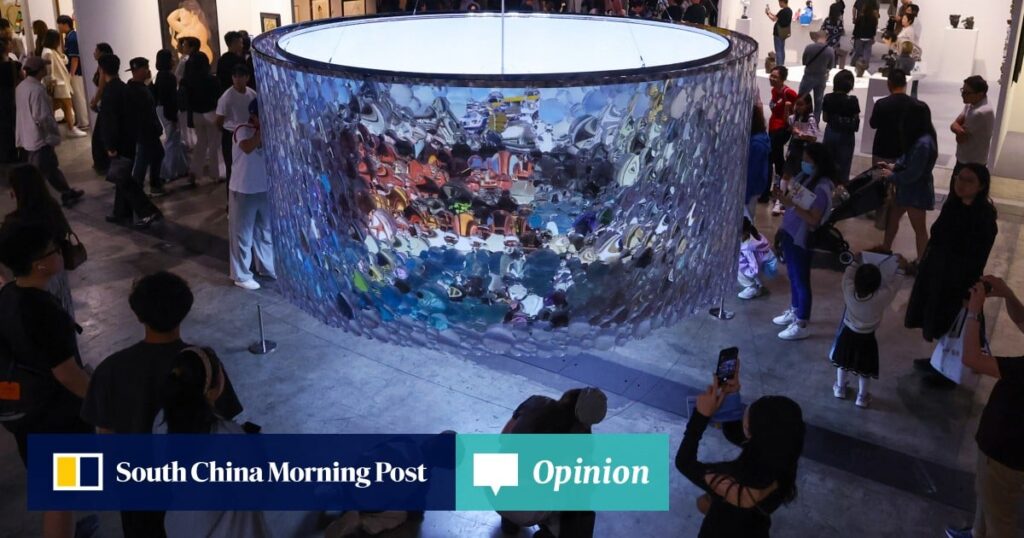
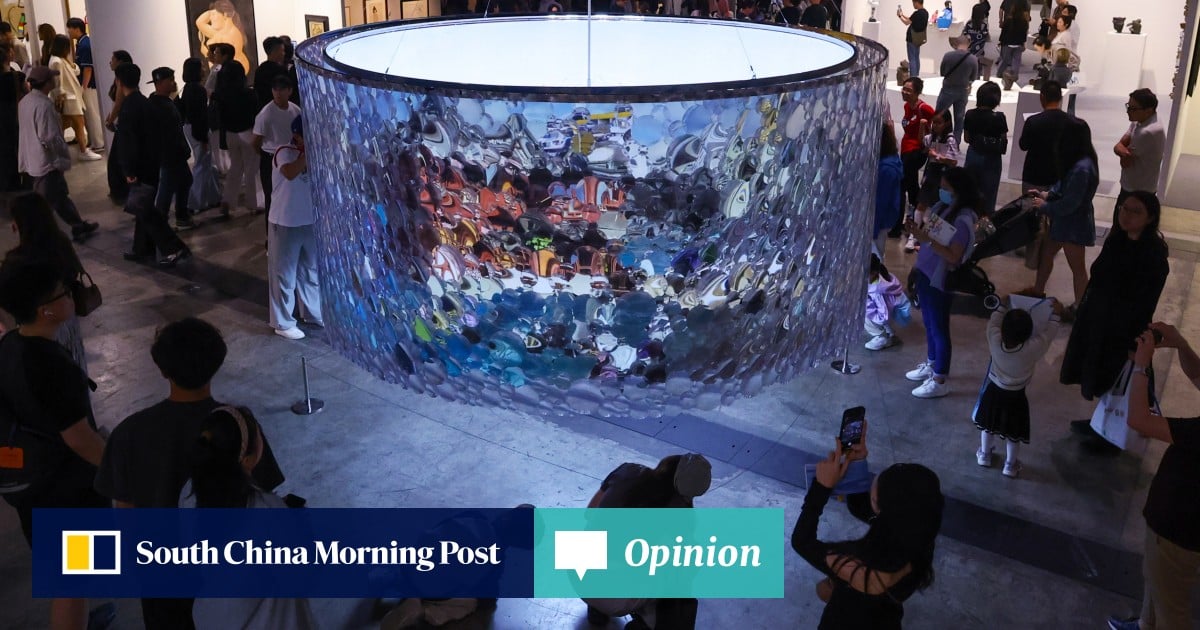
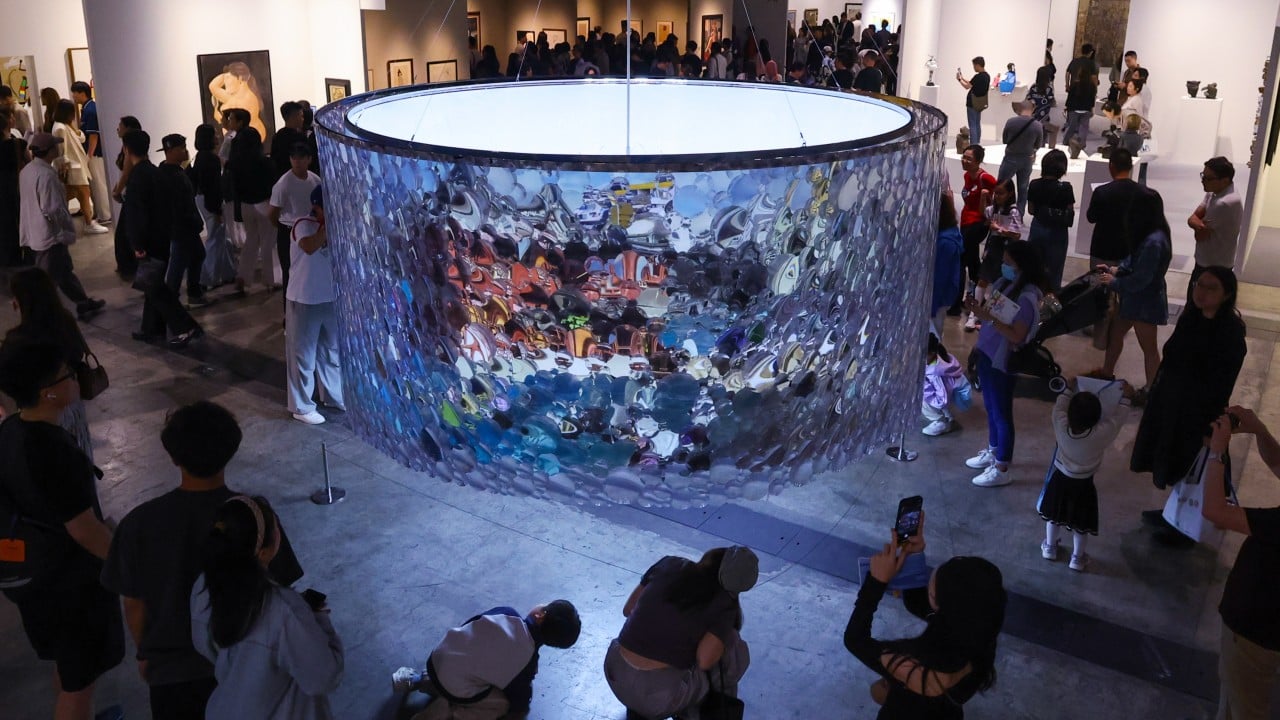
With billions of dollars being poured into mega-events, arts hubs and wider cultural initiatives, we are tracking the economic and infrastructural output of these endeavours. Yet we are failing to adequately measure their more profound impact on the individuals and communities at the heart of these projects.
The tangible aspects of cultural investments benefit from rigorous, science-based targets and frameworks. Environmentally, carbon emissions can be counted; energy efficiency can be audited. Logistics, materials, built environments, waste management and net-zero targets all yield quantifiable metrics. On the governance side, ethical production processes and fair wages are widely embedded into leadership structures, alongside verification of the provenance of artwork.
Advertisement
But human and social outcomes are more nebulous and harder to pin down. How do you quantify community cohesion or intergenerational bonding? How do you measure the strengthening of cultural identity or enhancement of public health and well-being? Difficult to capture on a spreadsheet, these outcomes are often relegated to the realm of anecdotes or catchy quotes on glossy corporate brochures.
Advertisement
This is not, however, for a lack of evidence on the social value of cultural events. Mounting research shows the social value of arts and culture is profound and tangible.
Don't Miss:
-
A Total of 13 Mass Graves Have Been Found in Viesca Containing the Charred Remains of Men and Women
-
Jorge Luis Zambrano, alias “Rasquiña”
-
El Taliban Fell In Mazatlán… And What He Confessed Ties Everything Together
-
Inside the Camp at the Heart of Honduras’ Garífuna Land Struggle
-
This Is How the MataZetas Captured and Executed the Zetas