
 New documents show how a retail chain’s sales practices helped put guns on US streets
  Singapore a battleground of commodities fraud lawsuits
  From Propagandist to Criminal
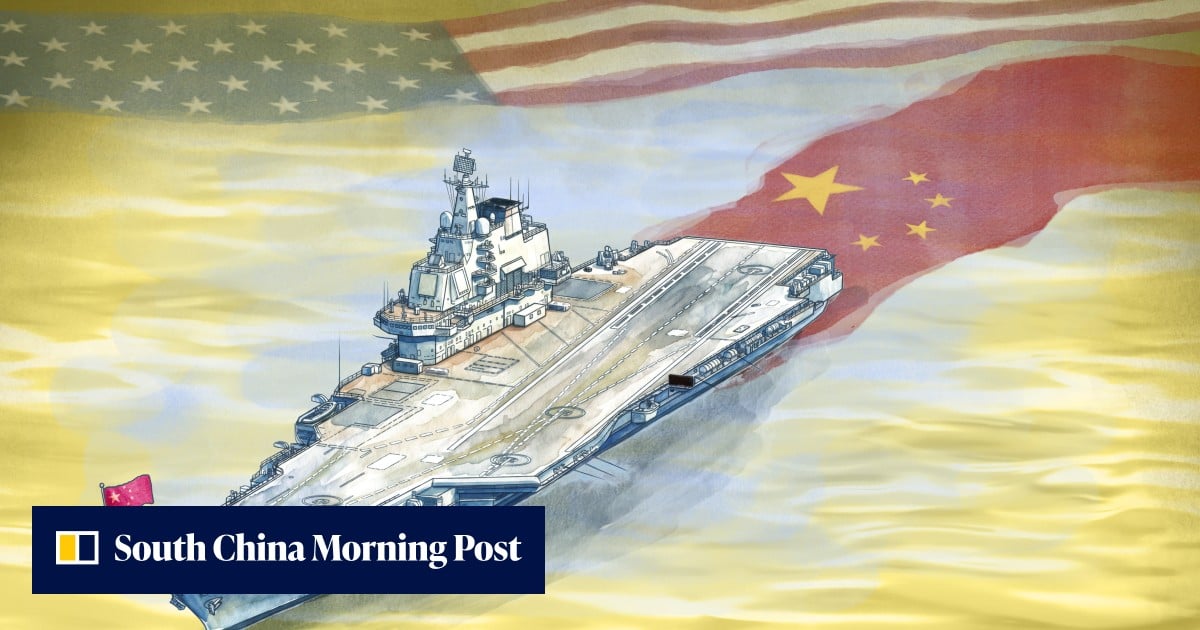
Yet behind the high-profile ship launches, experts say quieter changes in pilot recruitment, command structures and fleet integration point to a carrier doctrine distinct from the American model.
“The biggest misconception among Western analysts is the tendency to evaluate the [Chinese navy] through the doctrinal mirror of the US Navy,” said Brendan Mulvaney, director of the China Aerospace Studies Institute.
“Just because they have the same kinds of equipment doesn’t mean they will use it in the same way as the US. Their goals, missions and challenges are different than ours; they will come up with Chinese solutions to Chinese problems.”
China’s carrier force is evolving under strategic conditions unlike those that shaped the American naval doctrine of using carriers to project power thousands of kilometres from home.
Don't Miss:
-
Former American Idol singer Caleb Flynn sentenced to life in prison for wife’s murder
-
Bogota mayor presses Chinese-led consortium for more metro workers as auditors flag delays
-
ICC unseals arrest warrants for 4 Taliban leaders wanted on gender persecution charges
-
Quebec votes in provincial election as separatist surge poses test for Canada’s PM Carney
-
“Here, We Confront Drug Traffickers Daily… And The U.S.?”