
 When Great Powers Talk, Who Speaks for Asia
  About the China Capital investigation
  Frequently asked questions about the China Capital investigation
 Border Guard Bangladesh (BGB) and India’s Border Security Force (BSF) described the discussions as “cordial, positive and forward-looking”, according to the statement released at the end of a four-day meeting of top border officials in New Delhi.
Advertisement
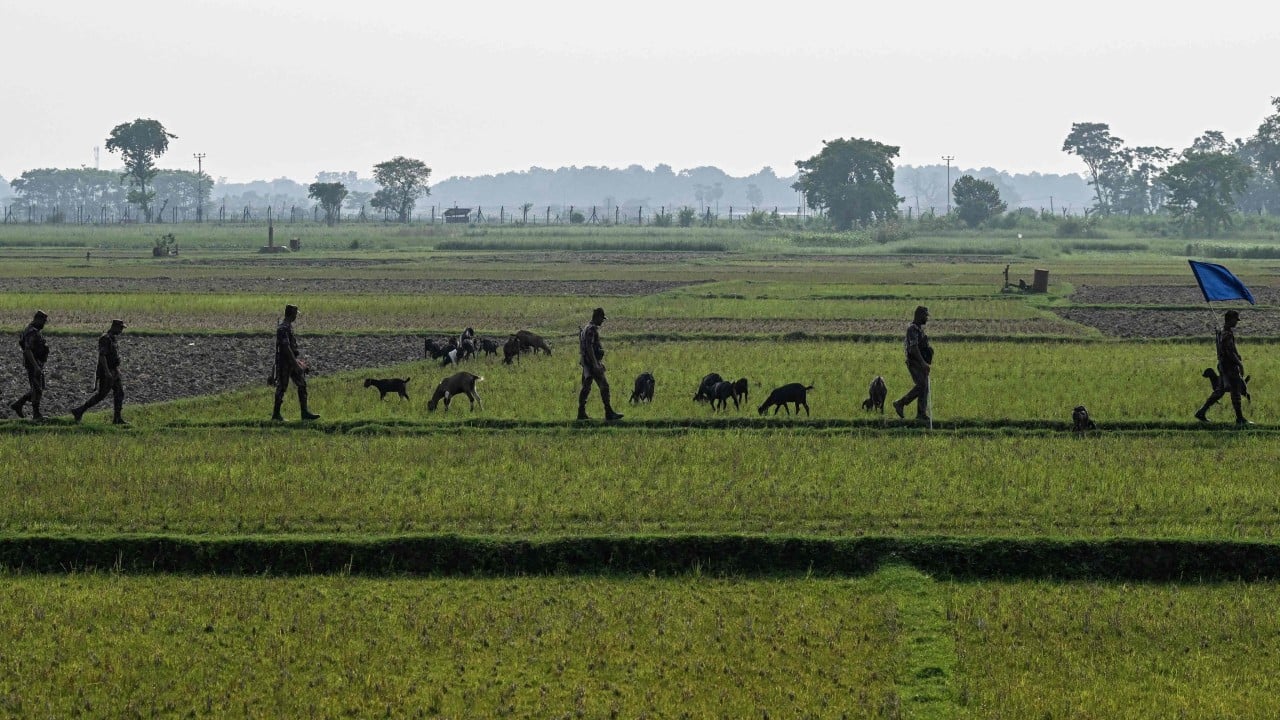
The regular talks also covered “illegal, inadvertent and forcible crossing at border areas”, an increasingly contentious issue in recent months. Bangladesh and India share a more than 4,000km (2,500-mile) border, one of the world’s longest.
India has informally “pushed back” illegal migrants into Bangladesh for decades, but activists say the political changeover in West Bengal has boosted the deportation campaign and unfairly targets Bengali-speaking Muslims.
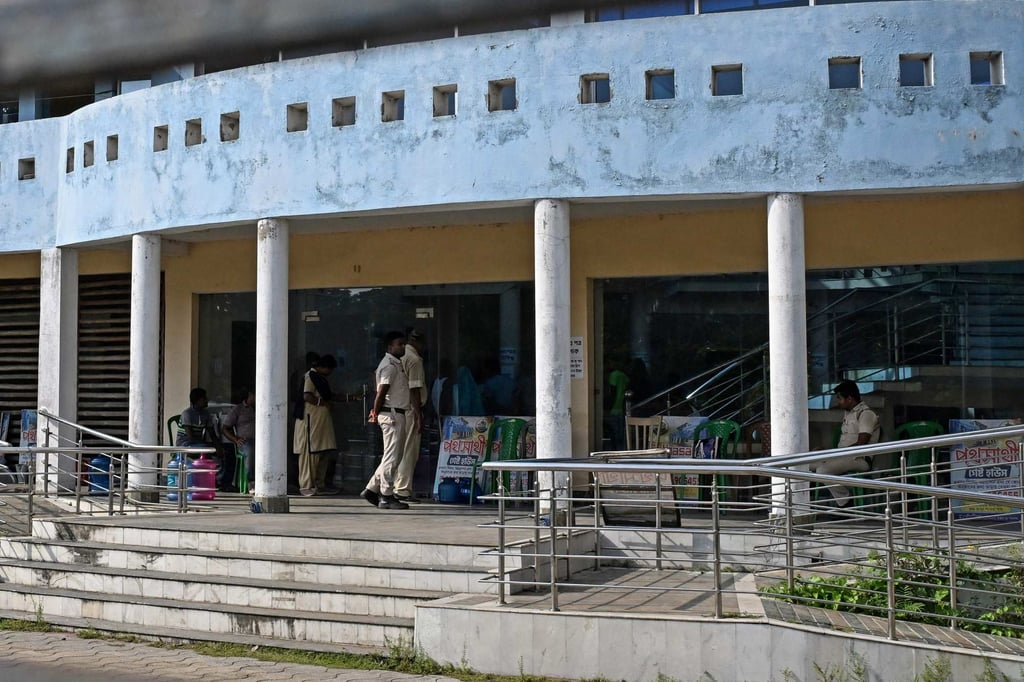
The escalation has riled Bangladesh, which is equally reluctant to absorb groups of people whose identities are not immediately clear. It said it had sent more than a dozen letters to Delhi seeking an end to the practice.
Don't Miss:
-
China urges ‘constructive dialogue’ with EU in high-level call with France
-
Hong Kong airport builds third runway with strategy to help marine environment thrive
-
Cambodia, Thailand take US$300 billion seabed dispute to UN
-
Hong Kong visitor arrivals hit post-pandemic monthly high in August
-
Indonesian finance minister found out about his firing in mid-meeting phone call