
 New documents show how a retail chain’s sales practices helped put guns on US streets
  Singapore a battleground of commodities fraud lawsuits
  From Propagandist to Criminal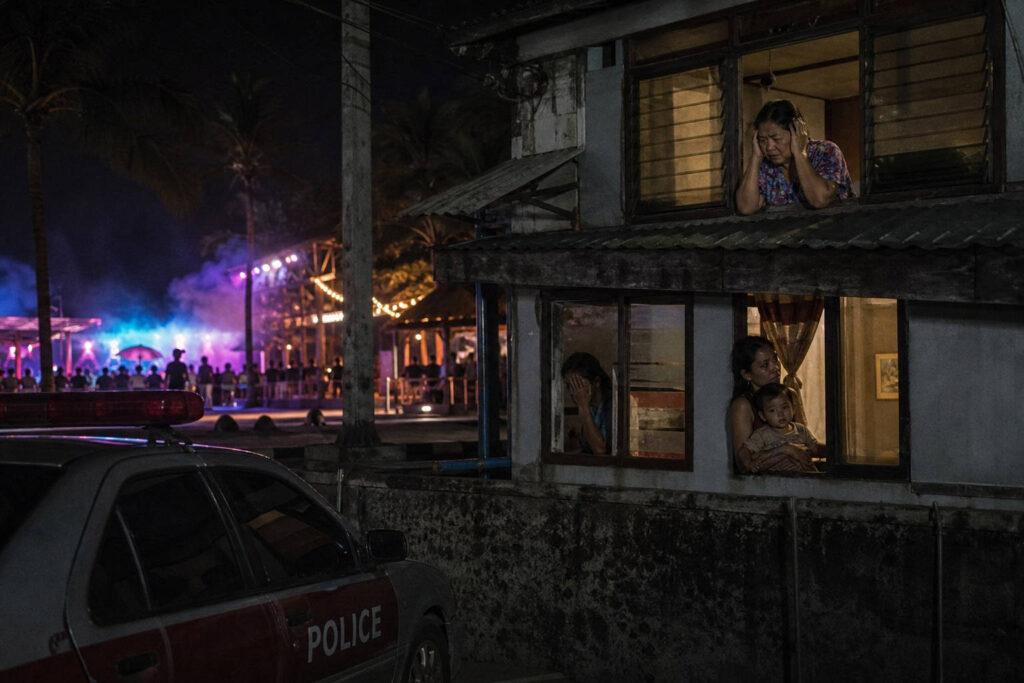
This report presents the findings and concerns raised by Thai civil society organizations regarding the ongoing situation in Bang Tao, Phuket. The report describes what local residents, families, and tax-paying citizens are experiencing, including persistent late-night noise, alleged encroachment on public land, regulatory failures, and concerns over the enforcement of laws and zoning regulations. According to the organizations behind the report, these issues have developed beyond isolated incidents and reflect a broader failure to protect the rights, safety, and quality of life of local communities.
We are also seeing increasing concerns in Phuket about whether existing laws and regulations are being effectively enforced, particularly when it comes to late-night entertainment venues, noise pollution, land use, and the protection of residential communities. The situation described in Bang Tao raises wider questions about accountability, regulatory oversight, and equal enforcement of the law.
The material below is being transmitted in full from the original article/report published by the Sangop NGOs.
Sangop Report:
Foreign-owned beach clubs in Bang Tao–Cherngtalay are flagrantly violating noise ordinances and liquor licensing laws, while also encroaching on public land. Residents say chronic state inaction—along with suspected corruption—has left them with no choice but to reach a breaking point.
Introduction: How Bang Tao Became a Lawless Playground
The situation in Bang Tao and Cherngtalay, Phuket, has reached a critical boiling point. Local residents, families, and tax-paying citizens endure nightly “torture” from oversized sound systems blasting pulsating bass until around 3:00 or 4:00 a.m., seven days a week. This is not a minor noise annoyance; residents describe it as a systemic crisis driven by regulatory failure and rampant corruption, in which foreign-owned entities operate with near-total impunity—profiting while undermining community well-being.
Under Thai urban planning and zoning laws, Bang Tao is designated as a strict residential area, where late-night noise disturbances and commercial clubs are illegal. Yet these venues continue to operate openly, breaking the peace of families, elderly residents, children, and workers who need rest.
Outlaw Venues and Lawless Expansion
Fueled by a petition signed by over 7,500 outraged citizens on Change.org, the community has named and shamed the primary violators operating without regard for Thai law:
Carpe Diem
- Maya Beach Club
- Catch Beach Club
- Nomad Beach Club
- Yuuhi Beach Bar and Karaoke
- And various other venues along Srisoonthorn Road, Soi Chalerm Talay, Soi Charoen Tha Ruesi, Soi Bang Tao, Soi Hua Tian, and Soi Surin Beach.
Beyond illegal noise, these venues brazenly encroach upon public property and beaches, expanding their footprint onto public land as if they own the coastline. They violate alcohol licensing restrictions, zoning regulations, and public health laws with total disregard for local governance.
The Vicious Cycle: Token Raids, Bribery, and Systemic Corruption
In the past, law enforcement agencies have occasionally staged high-profile raids—often during off-season or when public pressure peaks—only to allow these venues to reopen and resume violations as soon as the spotlight fades. When residents call police to report illegal noise at 3:00 AM, officers frequently ignore the calls or claim they hear nothing, despite the entire neighborhood vibrating.
This systemic failure has fueled widespread public outrage and justifiable suspicions of bribery and corruption. How can massive sound systems echoing across an entire district go unnoticed by local authorities unless officials are looking the other way in exchange for illicit financial gains?
“Why has music been blasting through residential areas for years without genuine enforcement?
Everyone hears it every single night. The authorities must hear it too. Why are they allowed to continue unchecked?” — Thanawat, Phuket Resident
The False Narrative of Employment and Government Coercion
When cornered by public scrutiny, these foreign owners often threaten the government by claiming they employ numerous local workers and that enforcement would harm jobs. This is a manipulative and selfish excuse. They employ workers because they need staff to generate enormous profits for themselves—not out of charity.
Furthermore, recent government committees formed to investigate the issue have faced aggressive pushback. Reports indicate that major venues like Maya Beach Club and Yuuhi have pressured or forced smaller, legitimate local businesses to temporarily shut down or join protests to artificially inflate pressure on the government, aiming to force authorities into submission. The public demand is clear: order must prevail. Even if businesses create jobs, they must operate within the law; otherwise, society descends into chaos.
Final Demands from Civil Society
We stand firmly with the thousands of petitioners demanding immediate, transparent, and sustained government intervention:
- Independent Investigation into Corruption: National-level scrutiny into local police and municipal authorities suspected of taking bribes and neglecting their duties.
- Crackdown on Public Land Encroachment: Immediate removal of illegal structures on public beaches and state property.
- Unannounced, Multi-Agency Night Inspections: Regular, unannounced audits of liquor licenses, sound levels, and closing times.
- Zero Tolerance for Coercion: Rejection of threats from wealthy foreign-owned venues attempting to subvert Thai law.
Final Warning: If authorities fail to provide concrete, measurable enforcement and accountability, residents and civil society organizations reserve the right to stage peaceful public demonstrations in front of responsible government offices to demand justice and protect our community.
The following is the original text as published by the Sangop.
Don't Miss:
-
New documents show how a retail chain’s sales practices helped put guns on US streets
-
Singapore a battleground of commodities fraud lawsuits
-
From Propagandist to Criminal
-
On Indonesia’s fires, El Nino’s impact on the power sector, and other stories | Asia Sentinel Stories of the Week
-
WATCH: Inside the China Capital investigation — a live panel