
 China Capital stories reveal how ICBC advanced China’s political goals across four continents
  Bangladesh’s Hill Country Needs Dialogue, Not More Bureaucracy
  National Press Club Bans Reporters While Protesting Trump’s Banning of Reporters
 Known locally as Sembilan Naga, the label is a loose shorthand for some of Indonesia’s richest tycoon families – many of them Chinese Indonesian – with interests spanning banking, tobacco, property, palm oil, mining and consumer goods.
It has never referred to a formally confirmed group but is widely used in public discussion of powerful conglomerates associated with business empires such as Djarum, Salim Group, Lippo Group, Golden Agri-Resources, Barito Pacific and Agung Sedayu.
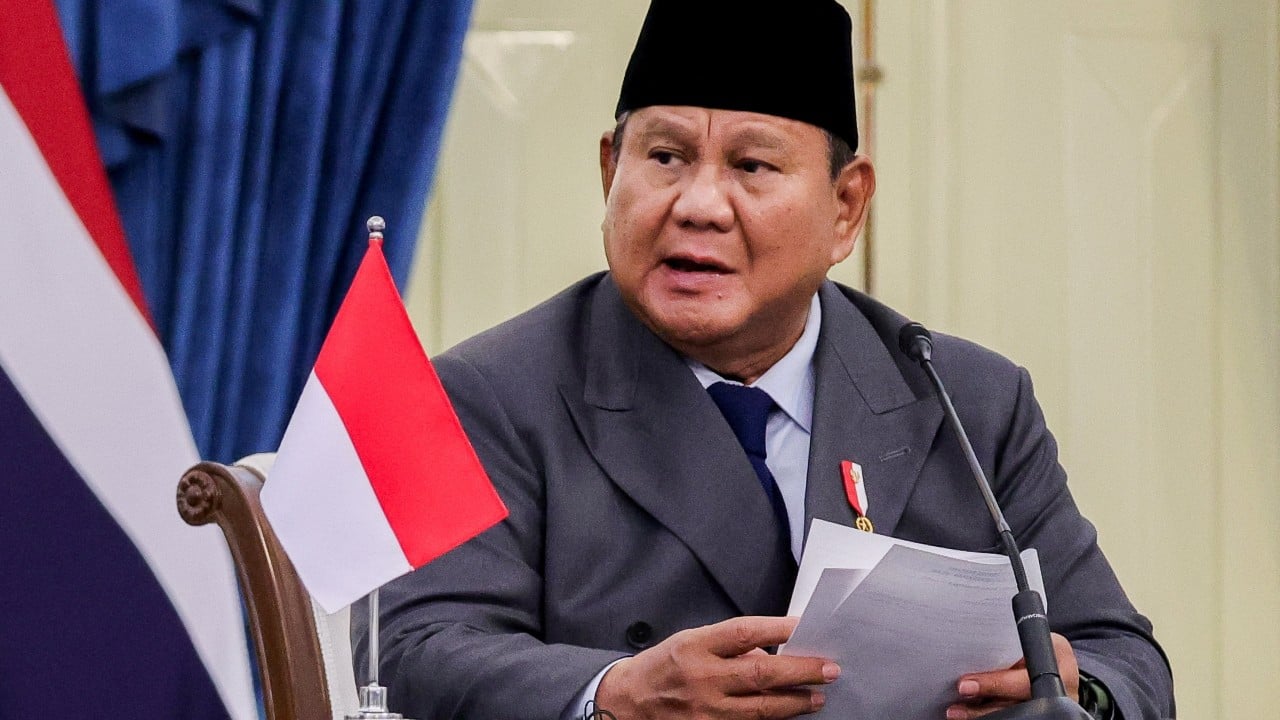
Prabowo has not explicitly named the Nine Dragons as targets, but analysts say his warnings about wealth leaking overseas, his drive to centralise key exports and his effort to marshal tycoon money for state projects all suggest a broader bid to bring Indonesia’s old business elite under firmer state control.
“Prabowo may not mention names, but there’s no mistake he’s taking potshots at the dragons,” said Made Supriatma, a visiting fellow in the Indonesia Studies Programme at the ISEAS – Yusof Ishak Institute, whose research focuses on Indonesian state bureaucracy.
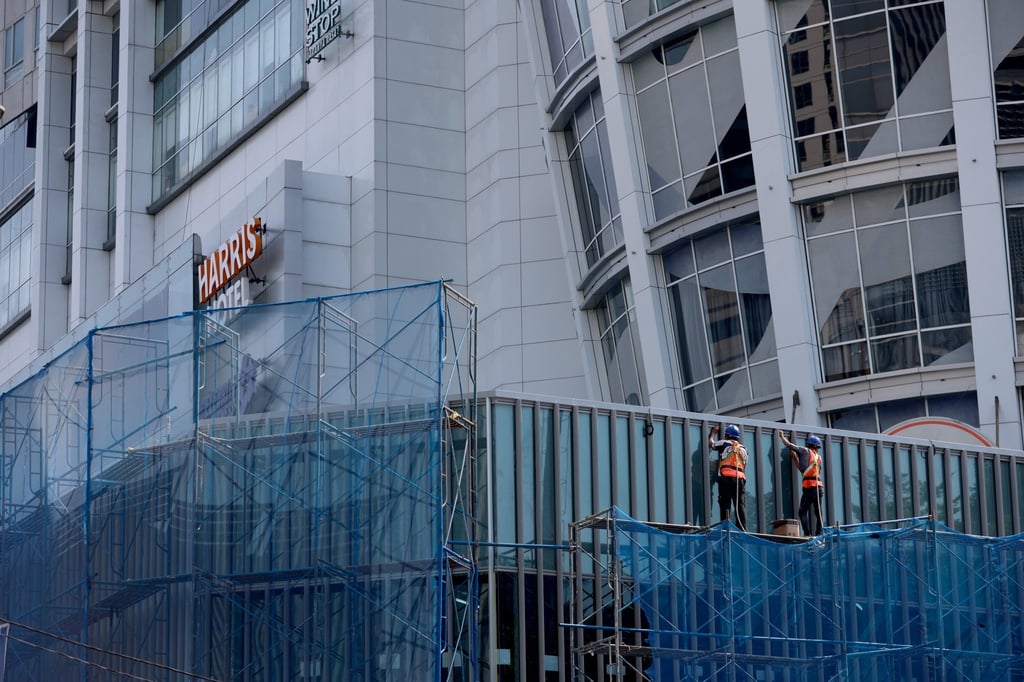
Yet the limits of Prabowo’s leverage run both ways: the tycoons remain deeply embedded in the Indonesian economy, while the president still needs private capital to help fund his flagship programmes.
Don't Miss:
-
Ukraine’s Zelensky warns of painful winter for Russia if energy truce talks fail
-
Donald Trump built a US$5 million White House helipad. Don’t expect Xi Jinping to use it
-
Grief and pain flow at hearing for Canadian suicide poison vendor Kenneth Law
-
All you need to know about a state visit, as White House rolls out red carpet for Xi
-
Indian sailor killed in attack on vessel in Hormuz, India and Oman authorities say